
10 Minutes to Stop a Burst Pipe for UK Homeowners, Plus Insurance Steps
In the first 10 minutes after a burst pipe, UK homeowners should shut the stopcock, drain pipes, photograph damage, and call a plumber.
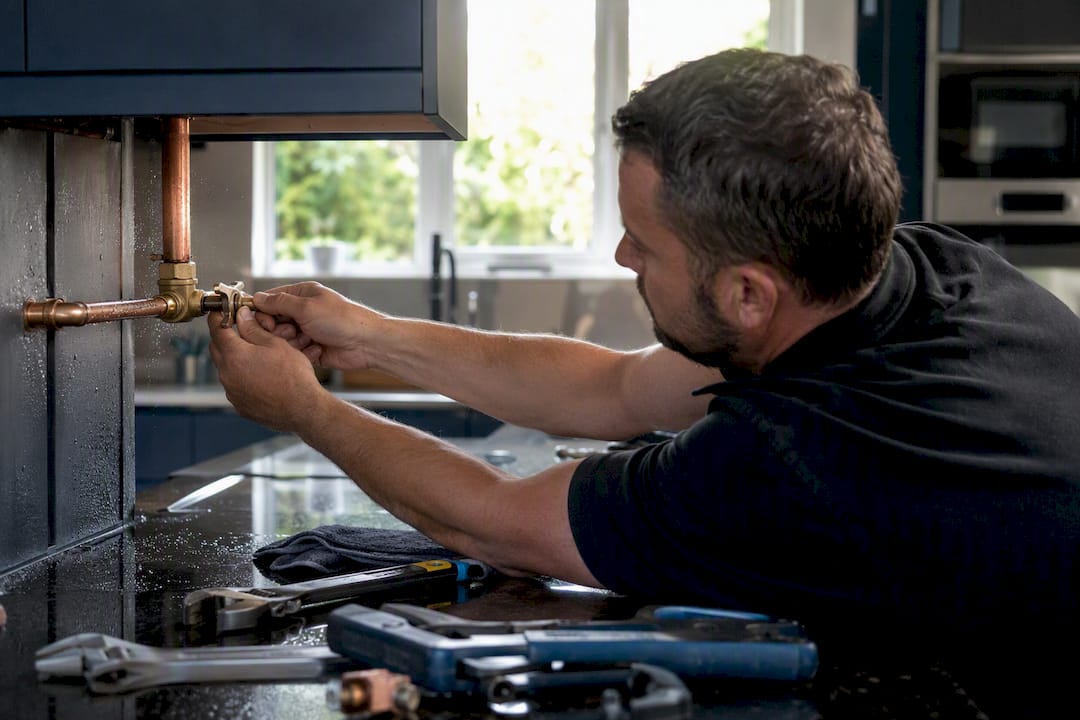
Shut off your main indoor stopcock now. That single move stops the flood at its source. Once the water’s off, isolate electricity near any wet sockets or appliances, catch what’s already leaking with towels and buckets, and call an emergency plumber. Everything else can wait a few minutes.
TL;DR:
- Turn off the main stopcock immediately, usually located under the kitchen sink or near the water meter, to stop the flow of water.
- Disconnect power from the hot water system only after shutting the water supply to prevent damage or cracking of the tank.
- Open all taps starting from the top floor to drain the system and reduce pressure, preventing further leakage.
- If water pools near electrical devices or outlets, switch off the relevant circuit at the consumer unit and avoid touching wet switches or sockets.
- Use temporary fixes like rubber clamps, silicone tape, or towels to slow leaks but avoid flames or increasing heat, and photograph all repairs for insurance and repairs.
Table of Contents
- What to do in the first 10 minutes of a burst pipe emergency
- Is the water putting you or your home at risk?
- How to isolate and drain your plumbing system safely
- Temporary repairs and what not to try
- What happens when the emergency plumber arrives
- Documenting the damage for your insurer
- Quick prevention checklist for next winter
- A practitioner’s note on burst pipe calls
- Getting help fast from Jmplumbingservicesltd
- Sources
What to do in the first 10 minutes of a burst pipe emergency
Speed matters more than precision right now. You don’t need to diagnose the problem, just stop it from getting worse.
- Find the stopcock and turn it off. It’s usually under the kitchen sink, though it can also sit near the water meter, under the stairs, or in a utility cupboard. Turn the valve clockwise until it stops. If it’s a lever handle, a quarter turn is often enough to shut it fully.
- Cut power to the hot water system if the burst involves a hot pipe. Switch off the immersion heater or boiler at its isolation switch before the tank empties, since running a heater with no water inside can crack the cylinder.
- Open every tap in the house, starting upstairs. Flush toilets too. Draining the system from the top down helps lower pressure and reduces further leakage once the main supply is cut.
- Get water off the floor and valuables off the ground. Buckets, old towels, and a mop buy you time. Move rugs, electronics, and boxes stored on the floor to higher ground immediately.
- Call an emergency plumber once containment is underway. Have your address, the pipe’s rough location, and whether the water’s still running ready before you dial.
That order matters. Skipping straight to mopping while the stopcock’s still open just means you’re bailing out a boat with a hole still in it.
Is the water putting you or your home at risk?
Water and electricity make a dangerous combination, and this is the point where caution has to override urgency.
- If water is pooling near sockets, switches, or plugged-in appliances, switch off the relevant circuit at the consumer unit if you can reach it without standing in water.
- Never touch a wet switch, socket, or breaker while your feet are wet. Call a qualified electrician instead.
- If you see sparking, smell burning, or the water level is rising fast near an electrical source, leave the room and call 999.
- Evacuate the property if flooding is severe, sewage or backflow is involved, or you notice ceilings bulging or walls bowing, which signals structural strain.
Pro Tip: Keep a torch by your stopcock. Burst pipes have an uncanny habit of happening at night, and fumbling for a light switch near water is exactly the risk you’re trying to avoid.
How to isolate and drain your plumbing system safely
Cutting the water at the stopcock is step one, but a full, controlled drain-down is what actually stops secondary leaks from popping up in other rooms.
- Locate every stopcock in the property. Most homes have one indoor stopcock and sometimes an outdoor one near the boundary. Round wheel valves need several turns clockwise; lever valves need just a quarter turn.
- Switch off the boiler and any immersion heater. Isolating power before the tank empties prevents the heating element from firing against an empty cylinder, which can crack it and turn a pipe repair into a full tank replacement.
- Open taps from the highest point in the house downward, finishing with the lowest tap or an outside drain point. This clears standing water out of the pipework instead of leaving it trapped in low sections.
If you live in a flat with a shared supply, you may only be able to isolate your own internal stopcock, not the rising main. Check with your building manager immediately if the leak seems to originate outside your unit.
Temporary repairs and what not to try
Once the water’s off and the immediate danger is handled, you can slow further damage with a few low-risk temporary fixes:
- A rubber repair clamp or pipe repair sleeve, tightened over the split section.
- Self-fusing silicone tape wrapped tightly, several layers, over the damaged area.
- A thick cloth or towel wrapped and secured with cable ties or a hose clamp as a stopgap.
None of these are permanent. They buy hours, not days.
What you should never do: use a blow torch anywhere near a pipe to thaw it, switch the immersion heater back on before the system refills, or crank up the central heating hoping it’ll melt a frozen section from a distance. Gentle heat only, like a hairdryer on a low setting or warm towels, never an open flame. Leave anything hidden behind a wall, under a floor, or involving sewage or black water strictly to a registered plumber.
Pro Tip: Photograph every temporary repair before and after, note the exact time, and keep the failed clamp or tape. Both your insurer and the plumber who does the permanent fix will want to see what was tried.
What happens when the emergency plumber arrives
A competent plumber follows a predictable sequence: check ID and confirm the job details, assess for immediate safety hazards, isolate the damaged section if it’s not already isolated, and set up containment before touching any pipework. Pressure testing usually comes next to confirm where the fault actually sits, since the visible leak point isn’t always the actual break.
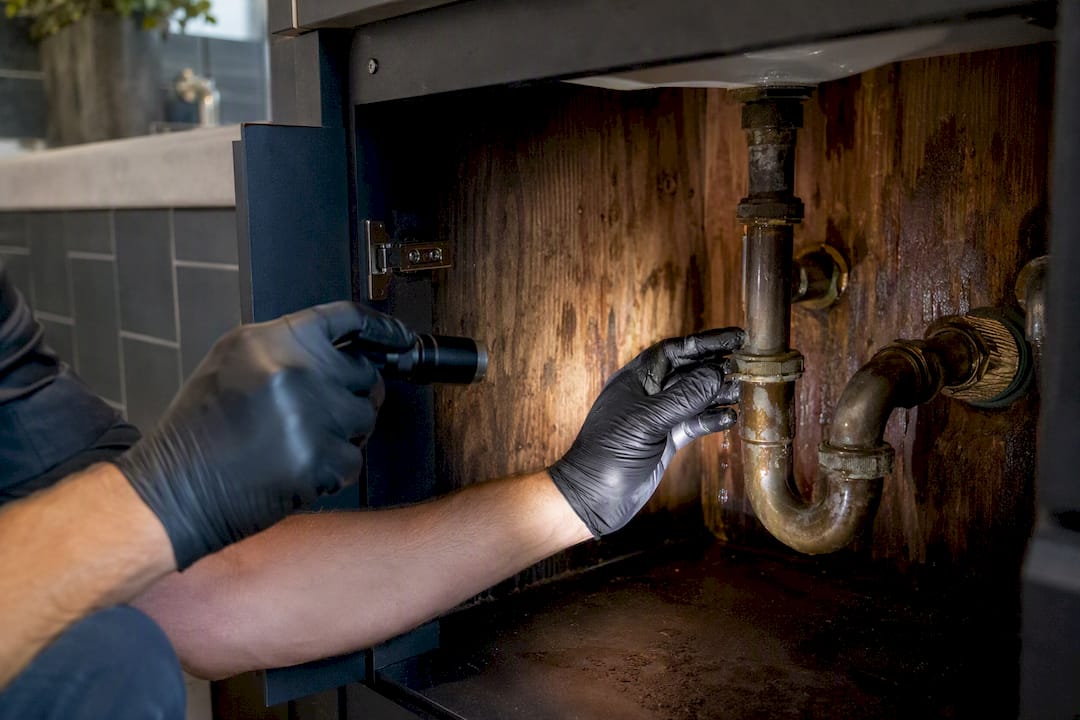
Most jobs fall into two categories. A straightforward splice or section replacement handles an accessible pipe with a clean break. A burst hidden behind a wall or under a floor, or one that’s damaged a wider run of pipe, may need a longer repair with some minor demolition. For a sense of what emergency call-outs typically cost and how to budget for one, our UK plumber call-out cost guide breaks down the pricing shape you can expect.
Before work starts, ask:
- Are you Gas Safe or relevant-trade registered, and do you have ID?
- What’s the estimate before you begin, and does it change if the job turns out bigger?
- Are you insured for accidental damage during the repair?
Documenting the damage for your insurer
- Take timestamped photos and video of the burst pipe and every affected room before you start major cleanup.
- Contact your insurer promptly and log the call, including who you spoke to and what they advised.
- Keep every receipt: emergency plumber invoices, dehumidifier hire, replacement towels, anything bought to manage the immediate crisis.
- Hold off on major restoration work until your insurer has inspected or given clearance, unless leaving it risks mold or structural damage.
Home policies typically cover sudden, accidental burst-pipe damage but often exclude issues traced to neglect, like an unlagged pipe you knew was exposed. A simple running list of what got wet, moved, or thrown out saves you a lot of back-and-forth later.
Quick prevention checklist for next winter
- Insulate exposed pipes and lag your loft tank before the first cold snap, not after.
- Test your stopcock now, while there’s no pressure, so you’re not fighting a stiff, unused valve mid-emergency.
- Let taps drip slightly during a deep freeze to keep water moving through vulnerable sections.
- If one section of pipework has burst before, consider having it replaced or better insulated rather than patched again.
- A water leak detector under sinks and near washing machines catches slow leaks long before they become bursts, especially useful if your plumbing system is more than 20 years old.
A practitioner’s note on burst pipe calls
Our team at Jmplumbingservicesltd handles emergency call-outs alongside full bathroom renovations across Cardiff and the Vale of Glamorgan, so we see both the panic of a fresh burst and the aftermath weeks later. Before we arrive, have your stopcock location noted and the affected area cleared if it’s safe to do so. It speeds everything up.
— Cameron
Getting help fast from Jmplumbingservicesltd
Jmplumbingservicesltd gives Cardiff and Vale of Glamorgan homeowners a direct line to a local plumber, not a call center that dispatches whoever’s closest. When you call, tell us your address, whether the water’s still running, and roughly where the pipe has burst. We’ll talk you through isolating the stopcock while we’re on our way if you haven’t already.
Once the immediate flood is under control, a burst pipe often reveals older pipework or a bathroom that’s been quietly deteriorating for years. If that’s the case, our Cardiff bathroom installation team can assess whether a repair is enough or whether it’s time to plan a proper renovation. Call us or visit our Plumber Cardiff page to get a straight answer and a same-day quote.
Sources
For more detail beyond this checklist, United Utilities, Uisce Éireann, Scottish Water, and Nationwide all offer solid, practical guidance on stopcocks, safety, and insurance steps.
- Burst water pipe?
- Frozen or burst pipes | Uisce Éireann
- Advice on frozen or burst pipes (Scottish Water)
- What to Do When a Pipe Bursts in Your Home - Nationwide