
Cardiff Homeowners: Diagnose Bathroom Sewer Smells Before You Call
Cardiff homeowners: follow a plumber's diagnostic first checklist to find and fix bathroom sewer smells fast. Learn quick trap checks, when to call a...
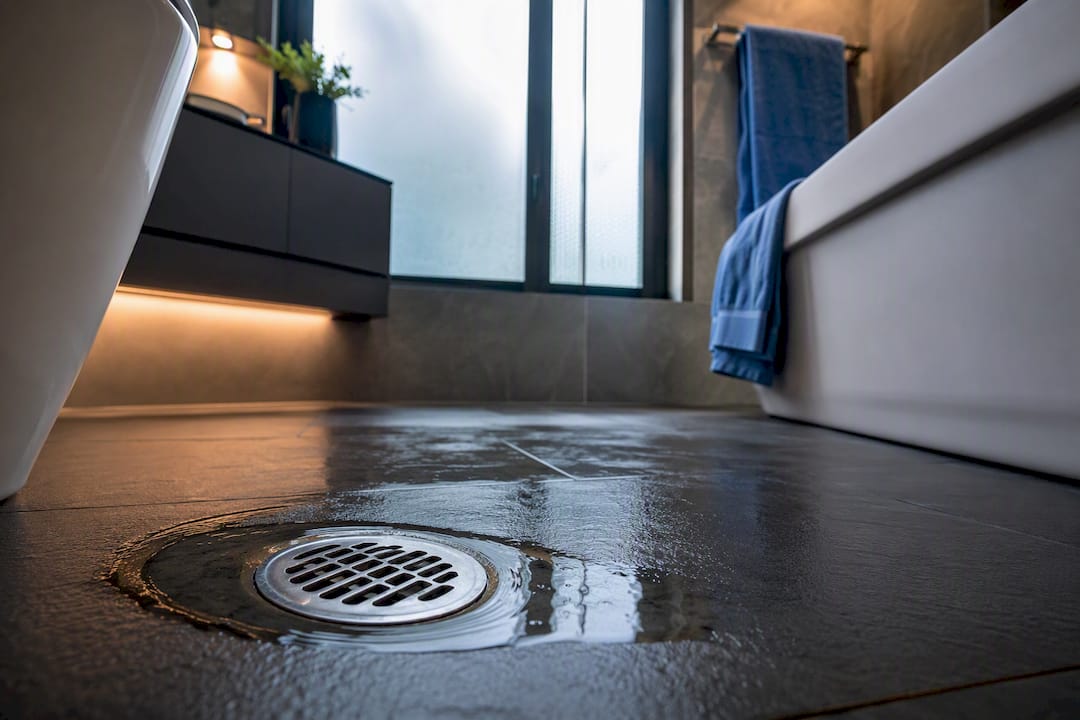
Most sewer smell in a bathroom comes down to a dry P-trap or drain biofilm, with a failed toilet seal or blocked vent as the less common culprits. Start by running water in the affected fixture for 30 to 120 seconds and see if the odor clears. If it doesn’t, or you notice gurgling, backups, or a wobbly toilet, stop troubleshooting and call a licensed plumber.
TL;DR:
- Most sewer smells originate from dry P-traps or drain biofilm, which are quick fixes involving running water and scrubbing the affected drain.
- Gurgling sounds, wobbly toilets, or smells that intensify with weather suggest vent blockages, requiring professional inspection and vent clearing.
- Toilet seal failure and damaged sewer lines are more severe issues, often causing leaks, displacement, or widespread odors, and need professional repair or camera inspection.
- Regular use of drains and traps, along with cautious cleaning, prevents odor recurrence, while persistent smells after DIY fixes should prompt professional evaluation.
Table of Contents
- Quick Checklist: Where to Sniff and What to Try First
- How to Diagnose Where the Sewer Smell Is Actually Coming From
- Common Causes and How Each One Gets Fixed
- When to Call a Plumber and What It Costs
- How to Stop the Smell From Coming Back
- A Plumber’s Notes From the Field
- What the Research Actually Supports
- How Jmplumbingservicesltd Handles Sewer Smell Callouts
- Sources
Quick Checklist: Where to Sniff and What to Try First
Before you assume the worst, spend five minutes narrowing down the source. A sewer smell that’s isolated to one fixture usually has a simple fix. One that fills the whole room, or follows you into the hallway, points to something bigger.
Work through these checks in order:
- Locate the source. Sniff close to the sink drain, shower drain, toilet base, and any floor drain. Sewer gas is heavier than air, so it tends to sit low.
- Run water everywhere. Turn on every tap and flush the toilet, then wait a minute and re-check the smell. If it fades, you’ve likely found a dry trap.
- Look for visible clues. A toilet that rocks, dark staining around its base, standing water on the floor, or damp patches on the wall behind a fixture all point to a leak rather than a dry trap.
- Clear obvious buildup. Pull hair out of the shower stopper and scrub the sink overflow slot with a bottle brush. Then try a flush of half a cup of baking soda followed by half a cup of vinegar down the drain if you suspect biofilm.
If none of that helps, you’re dealing with something that needs a more systematic look, which is where the next section comes in.
How to Diagnose Where the Sewer Smell Is Actually Coming From
Guessing wastes time and money. Plumbers work through a fixed sequence of checks because each step either confirms or rules out a specific cause, and the order matters. Here’s the sequence worth following before you call anyone.
- Test one fixture at a time. Run the tap or shower, then put your nose close to the drain opening and the overflow slot. A smell that appears only when water is running usually means a drain-level issue, not a structural one, according to InspectApedia’s diagnostic comparison of fixture versus drain odors.
- Check the toilet specifically. Flush it, inspect the base for staining or discoloration, and gently rock the bowl side to side while wearing gloves. Any movement at all is a red flag, since a stable toilet should not shift when you sit on it.
- Listen while other drains run. Flush the toilet or run the shower and listen for gurgling in the sink or tub drain nearby. Gurgling means air is struggling to escape somewhere in the system, which usually points to a venting or main-line problem rather than a single trap.
- Track the pattern over a few days. Note whether the smell shows up after heavy rain, on windy days, or only after the bathroom sees heavy use. Odors tied to weather or air pressure changes often trace back to a vent stack issue rather than anything inside the bathroom itself.
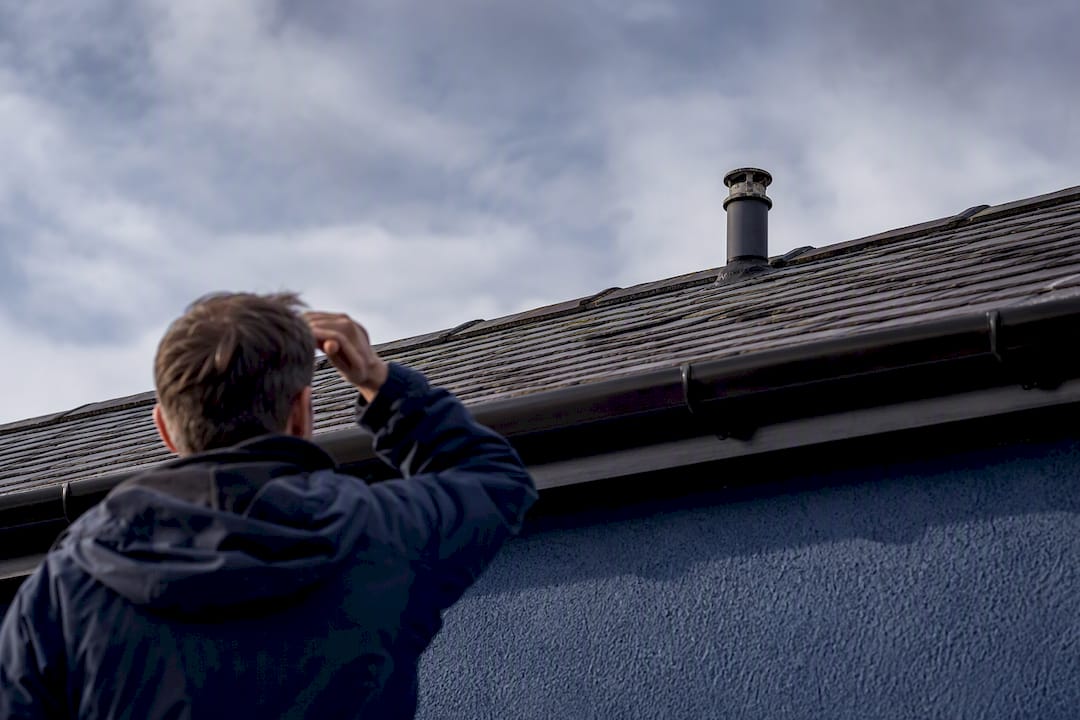
- Leave roof access to a professional. If your notes point to a vent problem, don’t climb onto the roof yourself unless you’re genuinely confident doing so safely. A plumber can inspect and clear a vent stack in far less time than it takes most homeowners to even get a ladder positioned correctly.
Pro Tip: Keep a one-line log on your phone every time you notice the smell: date, time, weather, and which fixture was in use. Three or four entries is usually enough to reveal a pattern you’d otherwise miss.
Common Causes and How Each One Gets Fixed
Sewage odor almost always traces back to one of five things: a dry trap, a clogged drain, a blocked vent, a failed toilet seal, or a damaged sewer line, according to HowStuffWorks’ breakdown of common bathroom sewage odor causes. Each has its own fix, and knowing which one you’re dealing with saves you from throwing chemicals at a problem that needs a wrench, or a wrench at a problem that needs a camera.
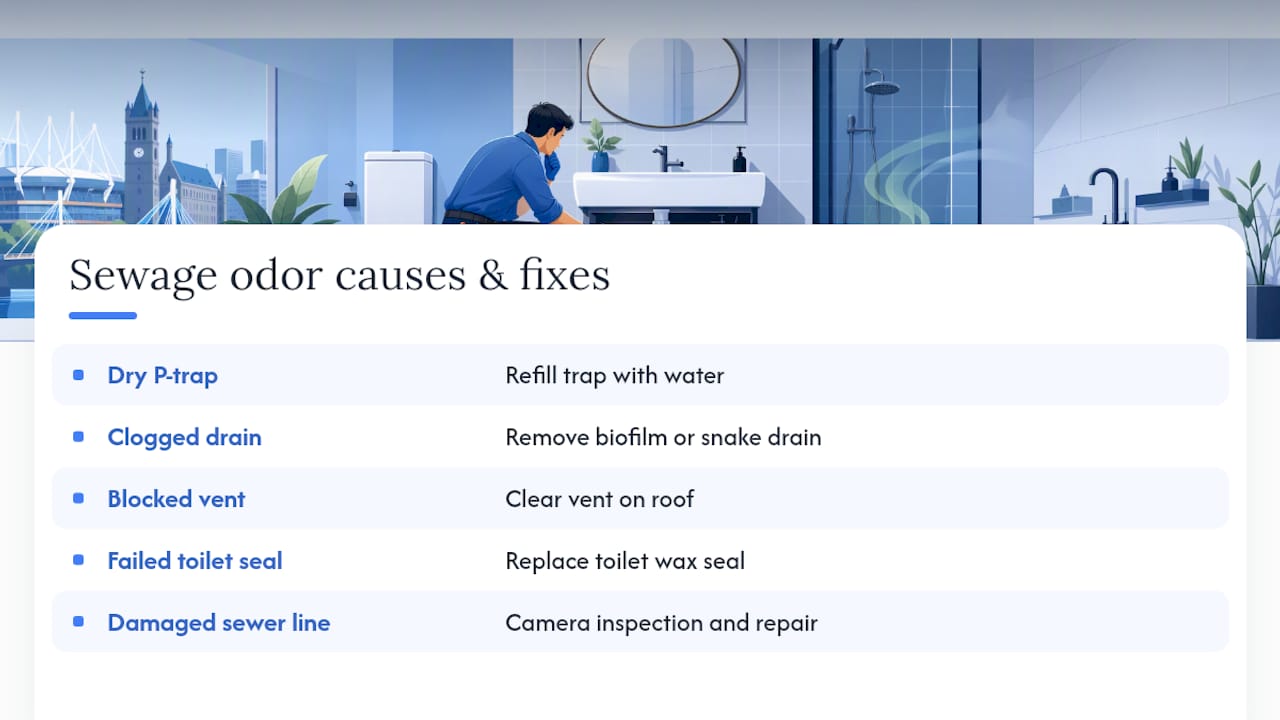
Dry P-trap
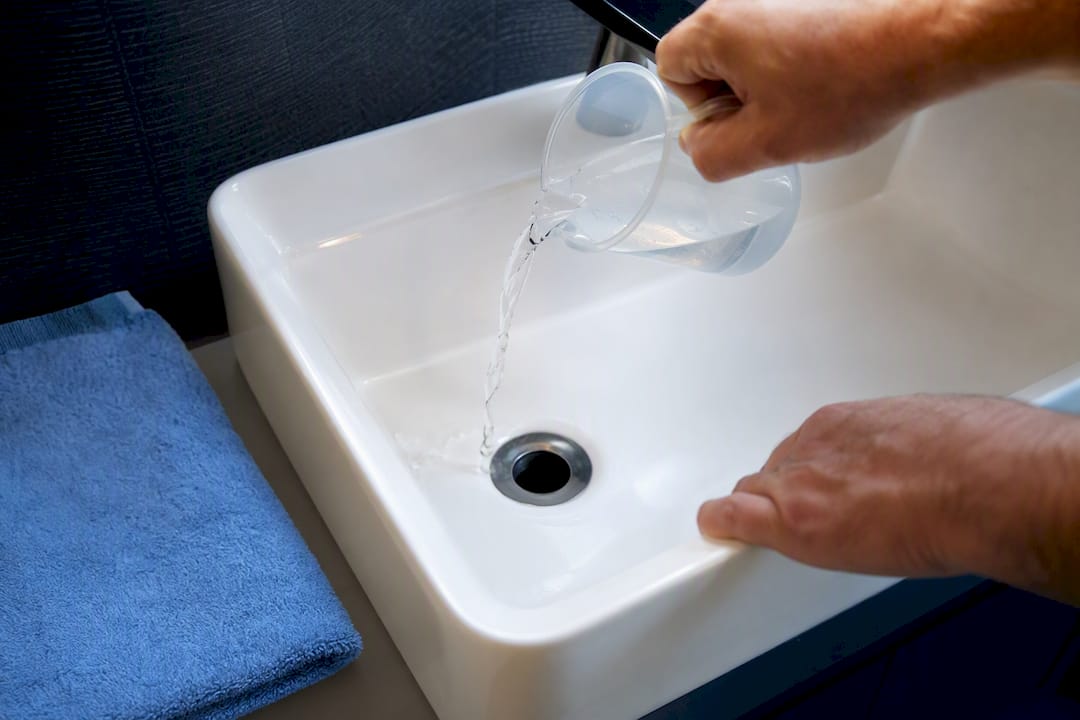
The P-trap under every sink, tub, and floor drain holds a small reservoir of water that physically blocks sewer gas from rising back into your bathroom. If a fixture sits unused for weeks, like a guest bathroom or a rarely used floor drain, that water evaporates and the barrier disappears, according to the Wikipedia entry on plumbing traps). The fix is almost embarrassingly simple: run water into the drain for a minute, then pour in a tablespoon of mineral oil to slow evaporation next time. If the smell comes back within a day or two even after refilling, suspect a slow leak in the trap itself or a siphoning problem, both of which need a plumber’s eye.
Biofilm and partial clogs
Hair, soap scum, and skin cells build a slimy film along drain walls over months. That biofilm smells like sewage because bacteria are breaking down organic material inside your pipe, not because sewage is actually backing up. Start with mechanical removal: a drain snake or a plastic hair-grabbing tool pulls out the worst of it. Follow with a baking soda and vinegar flush, left to sit for 15 minutes before rinsing with hot water. Skip caustic drain chemicals if you can. They’re harsh on older pipes and do little against a thick biofilm layer. If the smell returns within a week despite cleaning, the buildup is likely deeper in the line than a home flush can reach, and that’s when hydrojetting from a professional becomes the better option.
Blocked vent pipe
Every drain system relies on a vent stack that runs up through the roof, equalizing air pressure so wastewater flows out instead of gurgling back. A blocked vent, often from a leaf, a bird’s nest, or ice in colder months, causes symptom patterns that don’t match a simple clog: odors across multiple fixtures, gurgling sounds when you flush, and smells that seem to intensify with the weather. Roof access carries real fall risk, and locating the exact vent opening on an unfamiliar roof line isn’t always obvious. This is a case where calling a plumber to clear the vent and check for nesting animals costs far less than a trip to the ER.
Toilet wax ring failure
A toilet that rocks when you sit on it, or shows a ring of dark staining around its base, is telling you the wax seal between the toilet and the drain flange has failed, according to BobVila’s guide from a master plumber. That seal is the only thing preventing sewer gas from venting directly into your bathroom air every time the toilet isn’t in use. You can check for looseness yourself by gently rocking the bowl, but replacing the ring means pulling the toilet, scraping off old wax, and reseating it dead level on a new ring, a job where a slightly off-center flange or the wrong wax ring thickness leaves you right back where you started. Most homeowners get one attempt right before deciding it’s worth having a plumber reseat the toilet properly.
Cracked or damaged sewer line
If the smell fills the whole house rather than just the bathroom, or you’re seeing actual sewage backup in a tub or floor drain, you’re likely looking at a cracked lateral line or a main sewer backup. This isn’t a DIY situation under any circumstance. Diagnosing it requires a camera inspection to locate the exact break or blockage point, and repairs range from a targeted spot fix to a full section replacement depending on what the camera finds, according to MyHomePros’ guide on sewage smell causes and fixes. Avoid running water through any fixture connected to the affected line until a professional has looked at it, since extra water can push a backup further into your home.
Sewer gas itself contains hydrogen sulfide and methane. At the concentrations you’d typically smell in a house, it’s mostly a nuisance rather than a hazard, but the HowStuffWorks guide notes that headaches, nausea, or irritation from prolonged exposure are a genuine signal to stop troubleshooting and get help.
When to Call a Plumber and What It Costs
Some situations don’t reward patience. If you’re dealing with any of the following, skip the DIY checks and get a professional out:
- Actual sewage backing up into a tub, sink, or floor drain
- A smell that returns within hours of refilling every trap in the house
- Gurgling in two or more drains whenever one fixture is used
- Visible water leaking onto the floor or ceiling stains below the bathroom
- Anyone in the house feeling dizzy, nauseous, or getting headaches tied to the smell
Once a plumber is on-site, expect a structured process rather than guesswork. Most start with a visual and smoke or pressure test to isolate the general area, then move to a camera survey if the problem sits inside the pipe itself. Heavy biofilm or grease buildup usually calls for hydrojetting rather than a standard snake, and vent blockages get cleared from the roof access point. A recommended flow from MyHomePros is to handle trap refills and basic drain cleaning yourself first, then bring in a professional only once those simple fixes have been ruled out.
These figures are ballpark UK ranges only. Pricing varies by region, property access, and pipe material, so get a written quote before any work starts.
How to Stop the Smell From Coming Back
Prevention here is mostly about habit, not equipment. A bathroom that gets used regularly rarely develops a dry trap in the first place.
- Run water through every sink, tub, and floor drain at least once every one to two weeks, even in guest bathrooms.
- After refilling a seldom-used trap, add a tablespoon of mineral oil on top of the water to slow future evaporation.
- Clear visible hair from stoppers monthly and run a narrow brush through the sink overflow slot, since that hidden passage traps organic buildup that a normal drain flush never touches.
- Never flush wipes, sanitary products, or grease down any drain, even ones labeled “flushable.”
- If odors keep returning despite good habits, schedule a professional drain cleaning before the buildup turns into a full clog.
- Note any smell that seems to track with weather changes. That pattern is worth mentioning to a plumber even before it becomes a constant problem, since it often means a vent issue starting early.
A Plumber’s Notes From the Field
Cameron leads the plumbing and bathroom installation team at Jmplumbingservicesltd, working across Cardiff and the Vale of Glamorgan on everything from single drain-odor callouts to full bathroom renovations…
Most sewer-smell callouts follow a pattern: someone’s tried an air freshener or a bottle of drain cleaner, the smell comes back within days, and by the time we’re called, they’ve usually ruled out the easy stuff without realizing it. The actual process on-site rarely changes: inspect the fixture and trap first, run a camera down the line if the trap and vent both check out clean, then quote the fix before touching anything.
The calls that turn into full sewer line jobs almost always start the same way: “It smells fine for a day, then it’s back.” That pattern means the fix people tried didn’t address the actual source.
. Our blog covers more of these cases in detail if you want to see how similar jobs played out.
What the Research Actually Supports
Most articles on this topic treat every cause as equally likely, which isn’t how the odds actually break down. A dry trap or drain biofilm accounts for the overwhelming majority of bathroom sewer smells, and both are fixable in under ten minutes with water and a bit of scrubbing. The conventional advice to “check everything at once” wastes time. Testing one fixture at a time, in sequence, gets you an answer faster and stops you from masking a real problem with an air freshener while a wax ring quietly fails underneath the toilet.
Where I’d push back on typical guidance is the instinct to reach for chemical drain cleaners the moment a smell shows up. They’re a poor match for biofilm, they’re rough on older pipe joints, and they do nothing at all for a vent blockage or a failing seal, the two causes homeowners are most likely to misdiagnose as “just a smelly drain.” Run the water test first. If it doesn’t clear the smell within a day, stop guessing and start checking the toilet base and listening for gurgling. That single shift in order, diagnose before you treat, is the difference between a five-minute fix and a repeat callout three weeks later.
— Cameron
How Jmplumbingservicesltd Handles Sewer Smell Callouts
Jmplumbingservicesltd is the option for homeowners in Cardiff and the Vale of Glamorgan who’ve run the trap and drain checks above and still can’t shake the smell. Instead of a generic callout that stops at “here’s what might be wrong,” our team runs a full diagnostic on-site: camera inspection where a hidden crack or blockage is suspected, wax ring replacement and toilet reseating for failed seals, drain cleaning for stubborn biofilm, and sewer line repair when the camera confirms damage further down the line.

Coverage runs across Cardiff, Penarth, Cowbridge, and Rhoose, with most diagnostic callouts booked within a few days. Before you call, it helps to have a few details ready: which fixture smells worst, whether the smell changes with weather or water use, and whether you’ve noticed any gurgling in other drains. That information lets our team arrive with the right equipment the first time rather than needing a second visit.
If the smell has already outlasted your own troubleshooting, book an inspection through Jmplumbingservicesltd’s Cardiff bathroom installation page and get a written quote before any work begins.
Sources
For deeper detail on the diagnostics covered here, see HowStuffWorks on common bathroom sewage odor causes, BobVila’s master plumber guide to sewer smell, InspectApedia’s fixture-versus-drain odor comparison, MyHomePros’ guide on when to call a plumber, and this UK-focused overview of likely causes and quick fixes.
- Bathroom smell like sewage? Possible causes and fixes | HowStuffWorks
- Sewer smell in bathroom? A master plumber explains what to do | BobVila
- Sewer odors: fixture vs drain — InspectApedia
- Why does my bathroom smell like sewage? Causes, fixes, and when to call a plumber | MyHomePros