
Which Basin Trap Type Is Right for Your Bathroom?
Discover the best trap types for basins in your bathroom. Learn whether to choose a bottle, P-trap, or avoid S-traps for optimal efficiency.
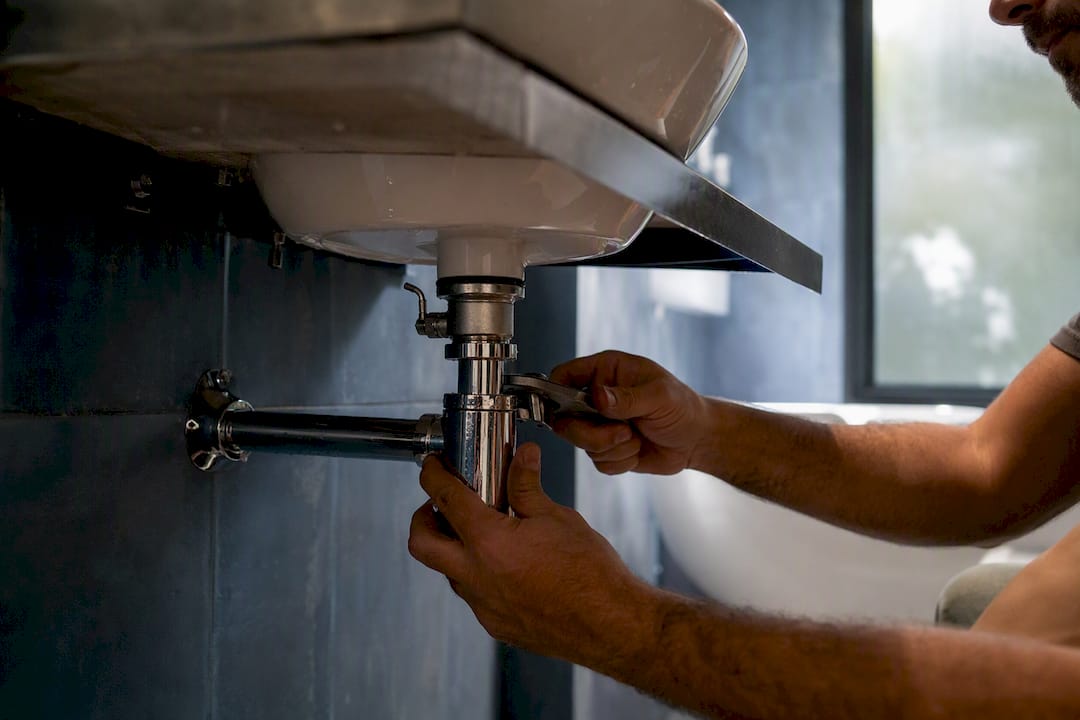
For a visible or space-limited basin, fit a bottle trap. For a heavy-use bathroom or kitchen where the pipework stays hidden, fit a P-trap. Whatever you do, don’t install an unvented S-trap on new work. Most basins run a 32mm waste, so before you buy anything, check whether your outlet exits through the wall or the floor.
- Bottle trap: best for exposed pipework, pedestal basins, cloakrooms, designer finishes
- P-trap: best for family bathrooms, wall-outlet setups, anywhere flow volume is high
- S-trap: legacy design only, replace during any refurbishment
- When to call a pro: rerouted pipework, persistent siphoning, or a floor-to-wall outlet swap
Key Takeaways
Choosing between a bottle trap and a P-trap comes down to outlet position and daily use, not just finish, and unvented S-traps should never go into new work.
| Point | Details |
|---|---|
| Match trap to use | Bottle traps suit exposed, low-traffic basins; P-traps handle daily high-volume use better. |
| Check the outlet first | Wall outlets take a P-trap or bottle trap; floor outlets need a P-trap plus adapter, not an S-trap. |
| Watch run length | Unvented horizontal runs past 1.7 meters risk siphoning regardless of trap type. |
| Clean on a schedule | Bottle traps need cup cleaning every few months; P-traps need it far less often. |
| Call Jmplumbingservicesltd for complex jobs | We handle trap replacement, rerouting, and siphoning diagnosis across Cardiff and the Vale of Glamorgan. |
Table of Contents
- Trap Types for Basins: Bottle, P-Trap, and S-Trap Explained
- Bottle Traps: Compact, Decorative, but Higher Maintenance
- P-Traps: Reliable, Self-Scouring, Built for Heavy Use
- S-Traps and Legacy Installations: Why They’re Being Phased Out
- Materials, Sizes, and Finishes That Actually Matter
- A Practical Checklist Before You Buy or Fit a Trap
- Maintenance and Troubleshooting: Keeping Your Trap Working
- What We See on Real Installs
- Why the “Just Match the Finish” Advice Misses the Point
- Get Your Basin Trap Fitted Right the First Time
- Sources
Trap Types for Basins: Bottle, P-Trap, and S-Trap Explained
Nearly every basin in the UK drains through one of three trap designs, and each one solves the same problem (keeping sewer gas out of your bathroom) in a different shape. According to Toolstation’s sink trap buying guide, P-traps, S-traps, and bottle traps remain the most common options fitted under basins, with P-traps and bottle traps now the dominant modern choices.
- Bottle trap: a cylindrical body with a removable cup, popular under wall-hung and countertop basins where the plumbing is on show.
- P-trap: a curved U-bend that ties into a horizontal wall outlet, standard under pedestal basins and vanity units.
- S-trap: an older design that drops straight into a floor outlet, mostly found in pre-1980s bathrooms.
- Shallow-seal vs deep-seal: shallow traps hold less water and are more prone to drying out; deep-seal versions resist evaporation better on basins used infrequently.
Basin traps typically run 32mm bore, occasionally 40mm on older or combined systems. The next few sections break down what each type actually does well, and where it falls short.
Bottle Traps: Compact, Decorative, but Higher Maintenance
A bottle trap works by directing waste water down into a cylindrical chamber, where it pools before exiting through a side outlet. The lower section unscrews as a single cup, which is exactly why plumbers like specifying them for basins on show, no crawling under a vanity unit with a wrench. They come in chrome, brushed nickel, matte black, and plastic, so matching a designer basin’s finish is straightforward.
The trade-off is maintenance. Roper Rhodes’ trade guide notes that bottle traps collect hair and soap scum more readily than a P-trap, simply because the water sits in a wider chamber rather than flowing through a tight curve. Expect to unscrew and rinse the cup every few months if the basin gets daily use.
- Turn off the water supply if the trap sits below a mixer tap with an isolation valve.
- Place a bucket underneath, then unscrew the cup by hand or with slip-joint pliers.
- Rinse out debris, check the rubber seal for wear, and reseat it before tightening.
Manufacturer instructions for bottle traps typically show a telescopic adjustment range, often somewhere between 30mm and 120mm, which lets you align the trap to a wall waste that isn’t perfectly positioned, according to Dowsing & Reynolds’ installation guide. Swivel outlets add a bit more forgiveness if the wall spigot sits slightly off-center.
Pro Tip: Buy a bottle trap with a swivel outlet rather than a fixed one. It gives you a few extra degrees of adjustment when the wall waste isn’t quite square to the basin, which happens more often than you’d think.
P-Traps: Reliable, Self-Scouring, Built for Heavy Use
A P-trap’s curved shape does something a bottle trap’s chamber can’t: it keeps water moving fast enough through the bend to carry sediment and hair along with it rather than letting them settle. That self-scouring action is why Tapron’s comparison of bottle and P-traps points to P-traps as the better choice for high-use areas and wall-outlet installations.
- Better suited to kitchens, family bathrooms, and any basin used multiple times a day
- Fewer manual cleanouts needed over the trap’s lifespan
- Straightforward to fit behind a pedestal basin where the trap stays hidden anyway
- Telescopic horizontal versions exist for tricky alignment, though they’re less common than telescopic bottle traps
Fit notes matter here. A P-trap needs its horizontal outlet lined up with the wall waste, and you’ll want enough clearance behind the pedestal to get a wrench on the compression nuts. If you’re replacing an old trap and the new one won’t quite reach, a telescopic horizontal extension solves it without recutting pipework.
S-Traps and Legacy Installations: Why They’re Being Phased Out
An S-trap drops straight down into a floor outlet instead of curving out to a wall. The geometry looks similar to a P-trap at a glance, but that vertical exit is the problem: when water drains fast down a long unvented run, it can create a siphoning effect that pulls the water seal out of the trap entirely.
- Once the seal is gone, sewer gas has a clear path into your bathroom
- Designing Buildings Wiki confirms unvented S-traps are prone to self-siphoning, which is why modern practice avoids fitting them on new work
- Anti-siphon measures or an air admittance valve fix the issue without ripping out the floor
- If you’re refurbishing a bathroom with a floor outlet, swap the S-trap for a P-trap plus a floor adapter rather than reusing the old geometry
Materials, Sizes, and Finishes That Actually Matter
Plastic (usually polypropylene) is the cheapest option and perfectly durable when it’s hidden under a basin. Chrome-plated metal and solid brass cost more but hold up better where the trap is on display, and they resist the scuffing that plastic shows over time.
- Plastic: lowest cost, fine for concealed pedestal or vanity installs
- Chrome-plated brass or metal: the standard for exposed bottle traps under designer basins
- Solid brass: longest lifespan, worth it for a basin you don’t want to revisit for a decade
Basin wastes are almost always 32mm; only step up to 40mm if you’re combining a basin waste with another fixture on the same run. For anything on show, metal earns its extra cost. For anything tucked behind a pedestal skirt, plastic does the same job for less.
A Practical Checklist Before You Buy or Fit a Trap
Work through these points before you order anything, and you’ll avoid the most common return trip to the plumbing merchant.
- Check the outlet position. Wall outlet points toward a P-trap or bottle trap; floor outlet means replacing any old S-trap with a P-trap and adapter.
- Measure the space. Cramped cupboards under a countertop basin often favor a compact bottle trap over a bulkier P-trap.
- Estimate daily use. A guest cloakroom can run a bottle trap comfortably; a family bathroom used by four people daily leans P-trap.
- Confirm the waste diameter, almost always 32mm on a basin, before ordering fittings.
- Match the finish to what’s visible, then test for leaks by running the tap for two minutes and checking every joint by hand.
If your basin’s outlet needs relocating, if you’re pulling out an old S-trap, or if a new trap keeps losing its seal no matter how you adjust it, that’s the point to call in a plumber rather than keep guessing. Persistent siphoning after a proper install usually means a venting problem, not a trap problem, and that’s a job for wet room drainage expertise rather than trial and error.
Pro Tip: Before you buy a replacement trap, take a photo of the old one in place, outlet, spacing, and all, on your phone. It saves a second trip to the merchant when you’re standing in the plumbing aisle trying to remember if the waste was 32mm or 40mm.
Maintenance and Troubleshooting: Keeping Your Trap Working
A slow-draining basin, gurgling noise, or faint sewer smell almost always traces back to the trap. Bottle traps clog with hair and soap scum; check our guide on a slow draining bath for the same diagnostic logic applied to basins.
- Bottle trap cleanout: unscrew the cup, rinse it, and check the seal, no tools needed on most modern designs.
- P-trap cleanout: loosen the two slip-joint nuts, slide the U-bend free, and flush it out over a bucket.
- Gurgling drain: often a venting issue rather than a blockage. Persistent gurgling after cleaning points to airflow problems in the stack.
- Sewer smell with no visible blockage: the trap may have dried out from disuse.
If a basin sits unused for weeks at a time, the water seal can evaporate. Running the tap for thirty seconds every couple of weeks prevents it, or add a thin film of mineral oil on top of the water to slow evaporation further, a tip echoed in Toolstation’s maintenance notes. Skip harsh drain chemicals on chrome-plated traps; they degrade the rubber seals faster than plain hot water and a bottle brush ever will.
Pro Tip: If a P-trap’s compression nut won’t budge, don’t force it with pliers. A few drops of penetrating oil left for ten minutes usually loosens decades-old thread corrosion without cracking the fitting.
What We See on Real Installs
On real jobs, the same three problems come up again and again: a wall waste that doesn’t line up with the new basin, not enough clearance behind a pedestal, and old S-traps still sitting under floor outlets in houses built before the 1980s. Telescopic and swivel bottle traps solve most alignment issues on-site. In heavy-use family bathrooms, we’ve swapped decorative bottle traps for P-traps after repeat callouts for the same blockage. Anything involving a floor outlet or repeated siphoning is worth a professional look before you spend money twice.
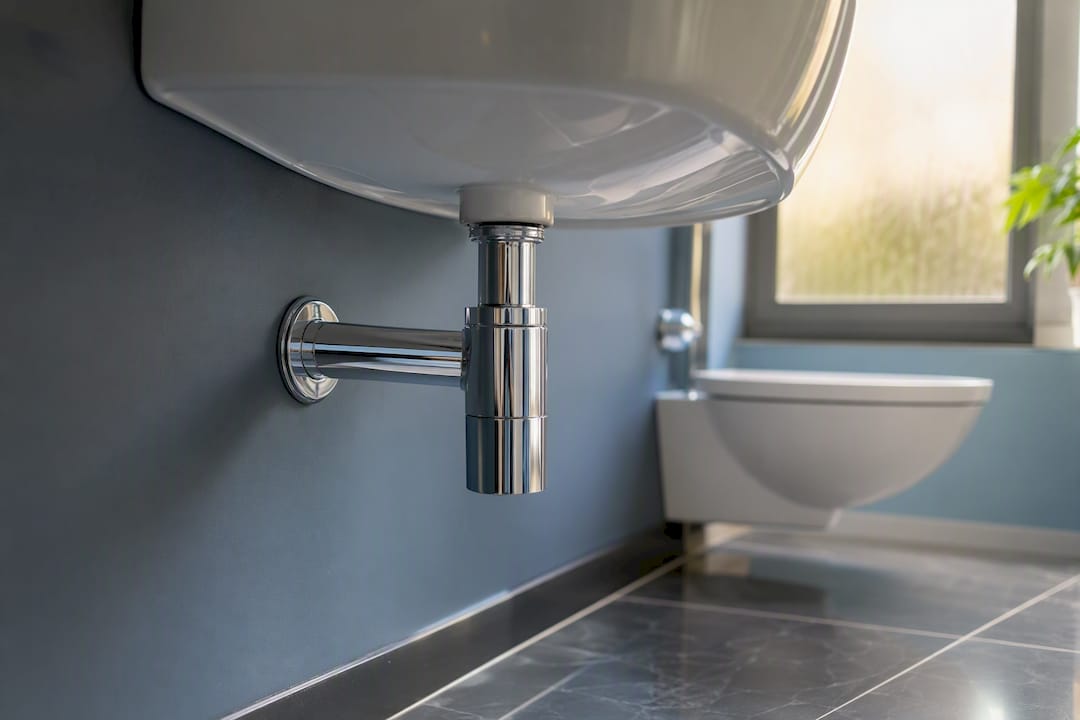
Why the “Just Match the Finish” Advice Misses the Point
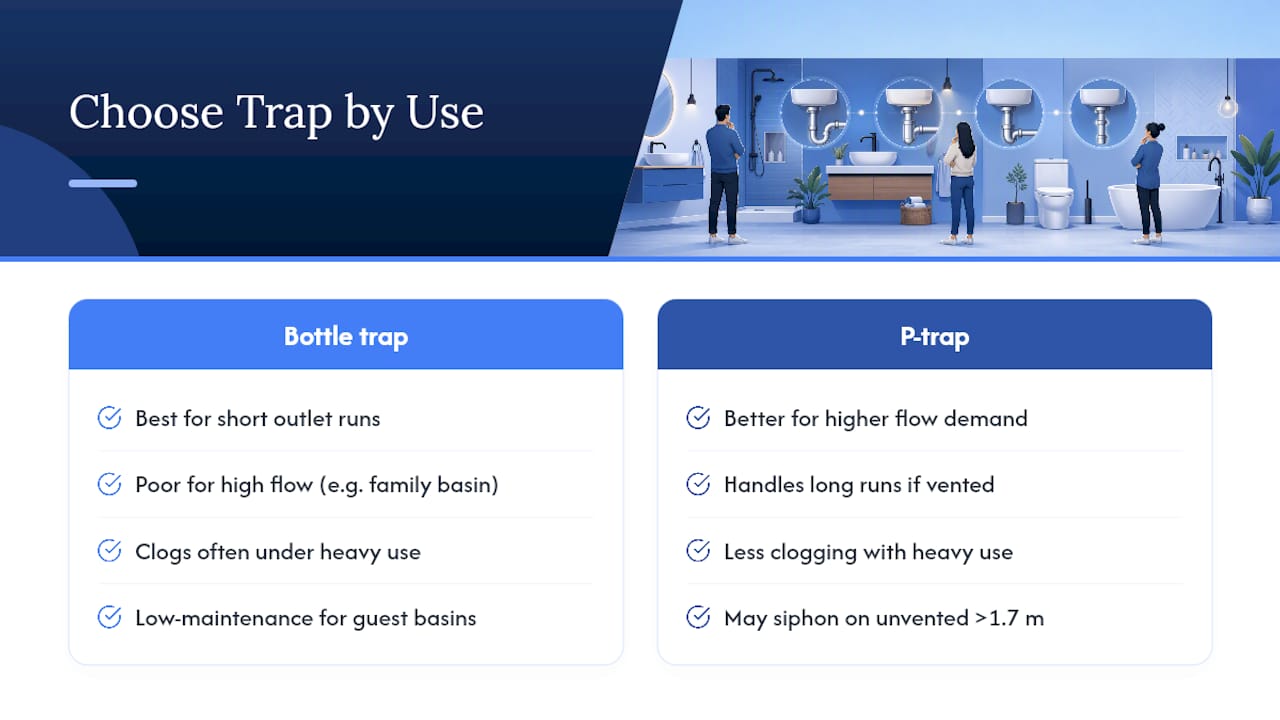
Most buying guides lead with looks, chrome or matte black, bottle or P-trap, pick what suits your bathroom. That advice has it backward. The Tapron comparison makes the sharper point: outlet position and flow demand should decide the trap type first, and aesthetics come after that decision is locked in.
Here’s what gets overlooked. A stunning matte black bottle trap under a basin used by three teenagers every morning is going to clog constantly, not because bottle traps are poorly made, but because the design was never meant for that flow volume. Conversely, plenty of homeowners default to a P-trap purely out of habit when a bottle trap under a guest cloakroom basin would look better and need cleaning maybe twice a year.
The other place conventional advice falls short is venting, and you can learn more about efficient flow and drainage performance in longer runs from Drainage Solutions - Precision Outdoor Solutions. Homeowners fixate on trap shape and ignore run length entirely, yet a P-trap on an unvented run stretching past roughly 1.7 meters can siphon just as badly as an old S-trap. If your basin keeps losing its water seal despite a “correct” trap, the pipe run behind the wall is usually the real culprit.
— Cameron
Get Your Basin Trap Fitted Right the First Time
Choosing the correct trap on paper is one thing. Getting it to sit flush against a wall waste that’s two centimeters off-center, or diagnosing why a basin keeps losing its water seal months after installation, is where most DIY jobs stall. Jmplumbingservicesltd handles both the straightforward swap and the tricky routing that comes with rerouted pipework, awkward floor outlets, or designer basins that need a bespoke trap solution.
Every trap we fit comes with quality materials and workmanship we stand behind, whether it’s a simple bottle trap replacement in a cloakroom or a full basin reroute during a bathroom renovation. If you’re in Cardiff or the Vale of Glamorgan and dealing with a basin that won’t drain properly, smells faintly of sewage, or needs its outlet relocated entirely, get in touch through our Cardiff bathroom installation page to book an inspection.
Sources
- Sink Trap Buying Guide
- Bottle Traps: A Trade Guide for Plumbers and Bathroom Installers
- Bottle trap vs. P trap: Choosing the right plumbing component
- Basin bottle trap manufacturer installation instructions (PDF)